
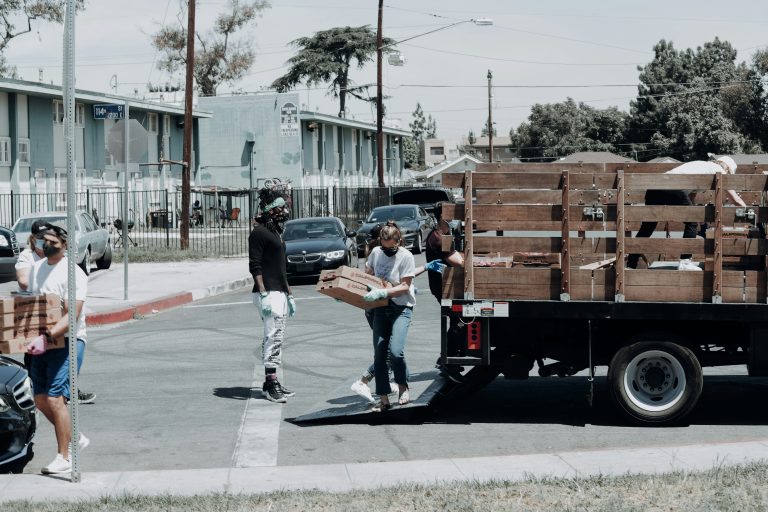
Challenges for Regional Food Systems

Regional food systems face severe obstacles including climate change disruptions, fragmented supply chain infrastructure, high transportation and cold-chain costs, economic pressures on smallholder farmers, and regulatory or zoning hurdles that restrict local production and direct marketing.

Production and Environmental Pressures

    • Climate vulnerability: Extreme weather events and shifting precipitation patterns reduce stable crop yields.
    • Resource competition: Growing strains on local water, energy, and arable land constrain regional output.
    • Smallholder viability: Low profit margins make it hard for small-scale growers to sustain operations without off-farm income.


Infrastructure and Logistics

    • Cold-chain gaps: Inadequate local storage, processing facilities, and abattoirs limit shelf life and market reach.
    • High distribution costs: Long transit distances and heavy reliance on external or interstate food networks inflate retail prices.
    • Intermediary dominance: Excessive margins taken by middlemen squeeze producer profits and increase consumer food costs.


Policy and Socio-Economic Barriers

    • Restrictive regulations: Outdated zoning laws and rigid food safety mandates penalize informal or small-scale local vendors.
    • Equitable access: Transportation barriers and low income levels leave marginalized populations structurally food insecure.
    • Knowledge and labor deficits: A shortage of seasonal labor, technical training, and institutional support weakens local grower networks.

RFS Challenges Post 2

Regional food systems face severe obstacles including climate change disruptions, fragmented supply chain infrastructure, high transportation and cold-chain costs, economic pressures on smallholder farmers, and regulatory or zoning hurdles that restrict local production and direct marketing.

Read More

Recent Posts

RFS Challenges Post 1

Regional food systems face severe obstacles including climate change disruptions, fragmented supply chain infrastructure, high transportation and cold-chain costs, economic pressures on smallholder farmers, and regulatory or zoning hurdles that restrict local production and direct marketing.

Read More